
When my vehicle decides to stop working, it’s never a good time. I’ve been stuck on the side of the road more times than I care to admit, and each time, the first thought is, ‘Who do I even call?’ It’s a stressful situation, and you really need someone you can trust to get you and your vehicle to safety without any extra fuss. That’s why knowing how to find a good towing service is so important, especially when you’re searching for a ‘toll truck near me’. It’s all about being prepared and knowing what to expect so you can get back on the road as smoothly as possible.
Key Takeaways
- When you need a tow, knowing how to find a reliable service is key. Look for companies with good reviews and clear pricing.
- There are different kinds of towing, like flatbed or heavy-duty, so make sure you know which one your vehicle needs.
- Before the tow truck arrives, gather your documents like your license and registration, and remove any valuables from your car.
- Always check your vehicle’s towing capacity to make sure it can handle the load safely.
- Understanding the basic steps of the towing process, from hook-up to drop-off, can make the experience less stressful.
Finding a Reliable Tow Truck Near You
When my truck decides to stop working, it’s never a good time. I’ve been stuck on the side of the road more times than I care to admit, and each time, the first thought is, ‘Who do I even call?’ It’s a stressful situation, and you really need someone you can trust to get you and your vehicle to safety without any extra fuss. That’s why knowing how to find a good towing service is so important. It’s all about being prepared and knowing what to expect so you can get back on the road as smoothly as possible.
Searching for Local Towing Companies
My first step is usually to look for services that are close by. When you need a tow, the faster they can get to you, the better. I usually just type ‘truck tow truck near me’ into my search engine. This helps me find companies that are already in my area, which usually means a quicker response time. It’s like having a neighbor who can help out in a pinch. Sometimes, you just need a tow. Maybe your car sputtered out, or you had a minor bump. Whatever the reason, having a local towing company in mind means you’ll get help faster. They know the area, so they can reach you quicker than someone coming from miles away. It’s all about getting you back on track as soon as possible.
Reading Online Reviews and Testimonials
After I find a few local options, I always check what other people are saying. Online reviews are super helpful. They give me a real look at how a company treats its customers. I look for consistent feedback about reliability, professionalism, and fair pricing. If a lot of people mention positive experiences, especially during stressful times, that’s a good sign for me. It helps me feel more confident about who I’m going to call. It’s always a good idea to have a reliable towing company saved in your phone before you actually need one. That way, when the unexpected happens, you’re not scrambling.
Understanding Service Provider Certifications
Beyond reviews, I also think about certifications. While I might not always know exactly what each certification means, seeing that a company invests in training and standards tells me they’re serious about their work. It suggests they have skilled operators and follow industry best practices. This is especially important when I need specialized towing for my truck, like heavy-duty services. It gives me peace of mind knowing they have the right qualifications for the job. A trustworthy service should be licensed and insured, which means both you and your vehicle are protected if anything goes wrong.
Understanding the Different Types of Tow Trucks
When my vehicle needs a tow, I know it can be a bit of a hassle. But understanding what happens next makes it much easier. I’ve learned that a little preparation goes a long way in making the whole experience smoother. It’s not just about getting from point A to point B; it’s about making sure the journey is safe for my car. Different situations call for different kinds of trucks, and knowing which one is right can save a lot of trouble.
Flatbed Tow Trucks for Delicate Loads
For vehicles that need extra care, like classic cars, luxury vehicles, or those with all-wheel drive systems that can’t be towed with wheels on the ground, a flatbed tow truck is usually the best choice. With this type of truck, your vehicle is completely lifted onto a flat platform. This means no part of your car is touching the road, which eliminates any wear and tear on the tires or drivetrain during transport. It’s like giving your vehicle a comfortable ride on a secure bed, ensuring it arrives exactly as it left. This method provides maximum protection against road damage and wear. The truck bed tilts and lowers, allowing the vehicle to be driven or winched onto the flat surface, which is then secured.
Wheel-Lift Towing Explained
When I need a quick tow, especially in tighter urban areas or for vehicles that are still drivable but can’t be moved under their own power, a wheel-lift tow truck is often the go-to. These trucks use a metal yoke or cradle that fits under the front or rear wheels of the vehicle. This lifts those wheels off the ground, while the other two wheels remain on the road. It’s a pretty efficient method for clearing traffic or moving a disabled vehicle a short distance. This is best for quick tows, clearing accident scenes, vehicles with standard drivetrains, and navigating tight spaces. It offers faster hook-up and maneuverability in busy areas, but it’s not suitable for vehicles with all-wheel drive or those that are too low to the ground, as the lifting mechanism could cause damage.
Heavy-Duty Towing Capabilities
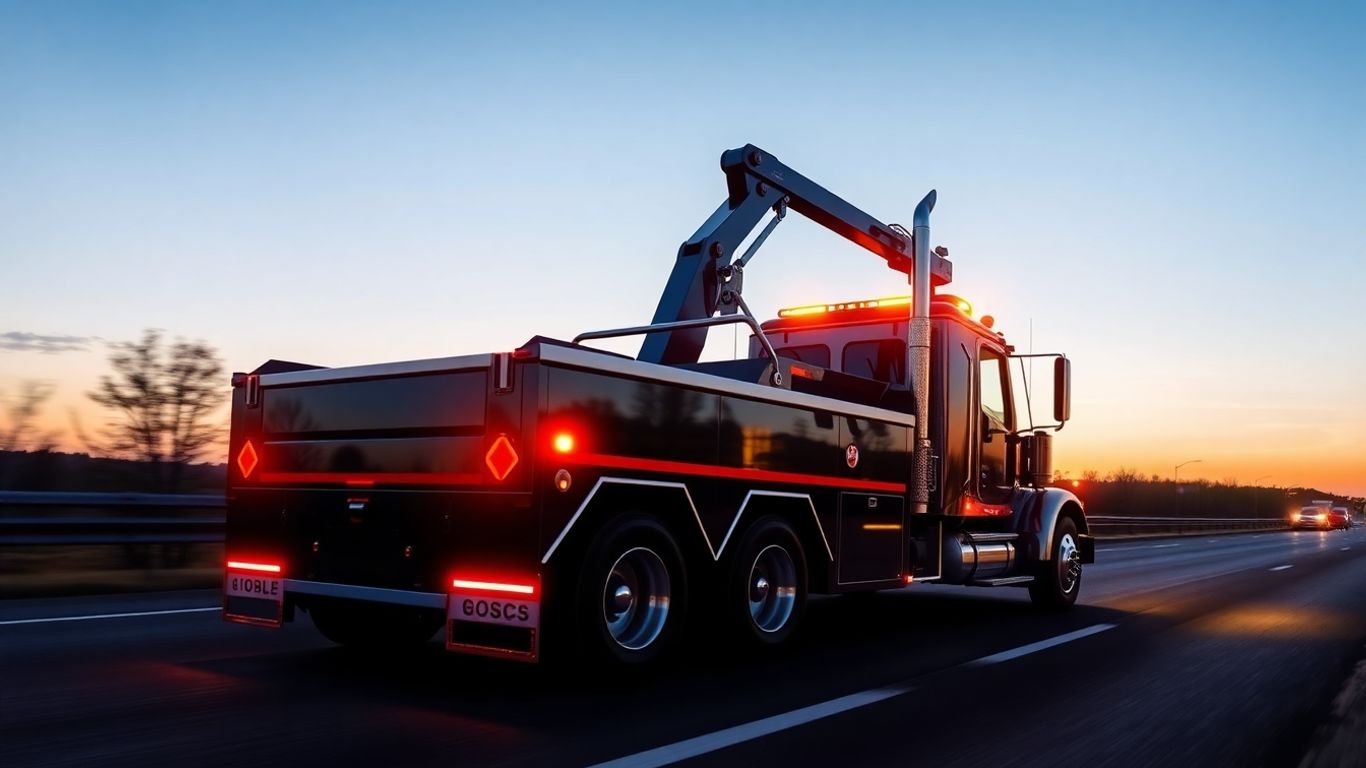
When it comes to the big rigs, buses, RVs, or heavy construction equipment, I know I need serious muscle. That’s where heavy-duty tow trucks come in. These aren’t your average tow trucks; they’re built with powerful engines and robust frames designed to handle immense weight. I’ve seen them tackle everything from semi-truck rollovers to moving large pieces of machinery. They have specialized equipment like heavy-duty winches and boom systems to safely lift and transport the largest vehicles on the road. These trucks can handle vehicles weighing 17,000 lbs and up, often exceeding 80,000 lbs. They are ideal for semi-trucks, buses, RVs, construction equipment, and other large commercial vehicles. They feature powerful diesel engines with high torque, reinforced frames, advanced hydraulic systems, and specialized recovery gear. Choosing the right type of tow truck is more than just a preference; it’s about safety and preventing further damage to your vehicle. I always make sure to communicate the specifics of my situation so the right equipment can be dispatched. You can find more information on different types of towing services to help you decide.
What to Expect During the Towing Process
When you find yourself needing a tow, it can be a bit of a stressful situation. I know I always feel that little pang of worry when my car decides to stop cooperating. But honestly, being prepared can make the whole process go a lot more smoothly. It’s like anything else, really – a little bit of planning goes a long way. Here’s what I typically experience when I call for a tow.
Initial Contact and Dispatch
The first step is always making the call. When I contact a towing company, the dispatcher asks for some key details: where I am, what kind of vehicle I have, and why I need a tow. This information helps them figure out the best truck and equipment for the job and send it my way as quickly as possible. It’s important to be as clear as I can be about my location and the situation. Providing precise details helps ensure the right help is dispatched promptly.
Vehicle Assessment and Safety Measures
Once the tow truck arrives, the driver will first assess the vehicle and the surroundings. Safety is a big deal here. They’ll usually put out cones or warning triangles if needed and make sure the area is clear. This attention to safety is something I always appreciate.
Secure Hook-Up and Transportation
Then comes the actual hook-up. Depending on the vehicle and the problem, they might use a wheel-lift, which lifts the front or back wheels off the ground, or a flatbed, where the car is driven or winched onto the truck. I always make sure my vehicle is properly secured with straps or chains before it starts moving. It’s all about making sure my car is safe and won’t shift during the trip. I’ve learned that asking questions about their process helps me feel more at ease. Once everything is secure, the driver will take my vehicle to the destination we agreed upon, whether that’s a repair shop or my home.
Factors Influencing Tow Truck Pricing
When I find myself in need of a tow, I always want to get a clear picture of what the final cost will be. It’s not just a random number; there are several things that actually affect the price. Understanding these points helps me prepare and avoid any surprises when the bill comes. It’s pretty straightforward once you know what to look for.
Type of Vehicle Being Towed
The size and weight of the vehicle I need towed is a pretty big factor. A smaller car usually requires less specialized equipment and is generally less expensive to tow than a larger vehicle like an SUV, a van, or a pickup truck. If I have a specialty vehicle, like a motorcycle or a classic car that needs extra careful handling, that can also influence the price. These types of vehicles might need specific tie-downs or a different kind of tow truck to prevent any damage, and that extra care comes with a cost.
Distance Traveled for Service
How far the tow truck has to travel is another major part of the cost. A short tow across town will naturally cost less than a long-distance haul to another city or even state. The further the distance, the more fuel, time, and wear and tear on the truck are involved, and all of that adds up. It’s pretty simple math, really.
Here’s a general idea of how distance can impact costs:
| Distance Category | Typical Cost Impact |
|---|---|
| Short Distance (Local) | Most Affordable |
| Medium Distance (Inter-county) | Increased cost due to time and fuel |
| Long Distance (Interstate/Out-of-state) | Highest cost, reflecting significant travel |
Additional Services Required
Sometimes, my vehicle isn’t just sitting neatly on the roadside. If it’s in a ditch, stuck in mud, or in a tricky spot that requires extra effort to get it onto the tow truck, that’s going to add to the bill. Things like winching, using specialized recovery equipment, or even needing a heavy-duty truck for a large vehicle all factor into the final price. I always try to be clear about the situation upfront so I can get the most accurate estimate possible. It’s always a good idea to ask for a breakdown of the charges if you’re unsure about anything. Transparency is key, and I appreciate knowing exactly what I’m paying for. If you need a tow, checking local towing services is a good first step to understanding pricing in your area.
Preparing for Your Tow Truck Service
When you find yourself needing a tow, it can be a bit of a stressful situation. I know I always feel a little flustered when my car decides to quit on me. But honestly, a little bit of preparation can make the whole process so much smoother. It’s like packing for a trip – having things ready beforehand just makes everything easier.
Information to Provide the Towing Company
When I call for a tow, the first thing I do is have some key details ready. It helps the dispatcher figure out exactly what I need and get the right truck to me faster. I always make sure I know:
- My exact location: This is super important. I try to be as precise as possible, giving street names, landmarks, or even GPS coordinates if I can.
- The type of vehicle: Is it a small car, an SUV, a truck? This helps them send the correct size tow truck.
- The problem: A brief description of why I need a tow – like a flat tire, engine trouble, or if it was in an accident. This gives them a heads-up.
- The destination: Where do I want the car taken? A specific repair shop, my home, or a dealership?
Documents Needed for Towing Services
I’ve learned it’s a good idea to have a few important papers handy. It’s not always required, but it can speed things up and avoid any confusion. I usually keep these in my wallet or the glove compartment:
- Driver’s License: For identification.
- Vehicle Registration: Proof of ownership.
- Insurance Card: Sometimes needed, especially if there was an accident.
- Roadside Assistance Card/Information: If I have a membership, having that number or card ready is helpful.
Securing Your Vehicle Before Towing
Before the tow truck even gets there, I like to do a quick sweep of the car. It’s a simple step that gives me peace of mind.
- Remove Valuables: I always take out anything important or valuable, like my laptop, purse, or any electronics. It’s just not worth the risk.
- Personal Belongings: I also grab any personal items I might need right away, like my phone charger or a bag.
Taking a few minutes to gather this information and secure your belongings can really make a difference when the tow truck arrives. It helps the driver focus on safely getting your vehicle hooked up and on its way without any extra worries.
It might seem like a lot, but honestly, it’s mostly stuff I have with me anyway. Being prepared just makes that stressful moment a little less so. I find that when I’m organized, the whole towing experience feels much more manageable.
Ensuring a Smooth Towing Experience
When my car decides to act up, it’s never a fun time. I always feel that little knot of worry in my stomach. But honestly, I’ve found that being prepared makes the whole process so much easier. It’s like anything else, really – a little bit of planning goes a long way.
Communicating with Your Tow Truck Driver
Once the tow truck shows up, clear communication is super important. I always make sure to greet the driver and tell them exactly where I need my car to go. If there are any special instructions, like a specific spot at the mechanic’s shop, I mention it right away. This helps avoid any confusion later on. Being upfront about the destination saves time and hassle.
Confirming Destination and Arrival Times
Before the driver even hooks up my car, I like to double-check the destination. I’ll confirm the address with them and ask for an estimated arrival time at the shop or wherever I’m having the car taken. This helps me manage my own schedule and let the repair shop know when to expect me. It’s also good to know if there are any potential delays they foresee.
Following Up After Service
After my car has been dropped off, I usually give the towing company a quick call or send a message. I like to confirm that everything went smoothly and that my car arrived safely. Sometimes, I’ll also check in with the repair shop to make sure they received the vehicle okay. A little follow-up can give me peace of mind and helps me know I received good service.
Making sure your towing goes off without a hitch is super important. We want to help you have a stress-free time when you need to tow something. For tips and tricks on how to make your towing experience as smooth as possible, check out our website!
Wrapping It Up
So, that’s pretty much the rundown on finding and using a tow truck. I’ve learned a lot myself while putting this together, from figuring out what kind of truck I might need to knowing what to have ready before help even shows up. It’s not just about making a call when your car acts up; it’s about being prepared and knowing what to expect. I really hope this guide made the whole thing seem a lot less scary. Keep those important papers handy and your emergency contacts saved – it truly makes a difference when you’re stuck. Stay safe out there!
Frequently Asked Questions
How do I find a reliable towing service when I need one?
When my car breaks down, I always start by looking for companies with good online reviews. It’s like getting advice from people who have already used the service. I also check if they have experience with the type of vehicle I have, whether it’s a car or a bigger truck. Making sure they’re available when I need them, especially if it’s late at night or on a weekend, is super important too.
What details should I have ready when I call for a tow truck?
When I call for help, I try to have a few key things ready. First, my exact location is a must – I’ll give the street name, nearest cross-street, and any landmarks I can see. Then, I describe my vehicle: its make, model, and color. It’s also helpful to explain what seems to be the problem, even if I’m not totally sure. If I know where I want the car to go, like a specific repair shop, I’ll mention that too.
What kind of documents do I need when getting my car towed?
It’s a good idea to have some important papers handy. I always make sure I have my driver’s license and the vehicle’s registration easily accessible. If I have a roadside assistance membership, like AAA, I’ll have that card or number ready. This just helps speed things up and avoids any confusion when the driver arrives.
What should I expect once the tow truck arrives?
When the tow truck gets here, the driver will check out my vehicle and the area around it. Safety is a big deal, so they might put out cones. Then, they’ll get my car ready for towing, maybe using a wheel-lift or a flatbed. I always make sure my car is securely fastened before it starts moving. Asking the driver about their process helps me feel more comfortable.
How is the price of a tow truck service figured out?
When I need a tow, I want to know what goes into the final price. The size and type of vehicle I need towed is a big factor. A smaller car usually costs less than a bigger truck. How far the tow truck has to travel is another major part of the cost. A short tow across town will naturally cost less than a long haul to another city. Sometimes, if the car is in a tricky spot, like a ditch, that might add to the bill too.
What's the best way to make sure my towing experience goes smoothly?
Once my vehicle is hooked up, the driver confirms where I want it taken. I usually keep my phone handy to stay in touch. It’s also helpful to have my important documents ready. Knowing what to expect can make the whole experience less stressful, and I always appreciate a driver who communicates clearly about the journey ahead. Asking for a breakdown of charges if I’m unsure about anything is also a good idea.