
Just last month, my car stalled out on a busy street, and I remember frantically searching for a ‘tow truck close to me’ on my phone. It hit me that a lot of people probably don’t know what to expect or even what to look for in that situation. So, I figured I’d put together a guide that breaks it all down—what the phrase really means, how to pick the right service, what kinds of trucks are out there, and how not to get ripped off. If you’re like me, you just want to get back on the road without any extra headaches. Here’s everything I’ve learned about finding and using a tow truck close to me.
Key Takeaways
- Having a reliable tow truck close to me means faster help when I’m stranded.
- There are different types of tow trucks—flatbed, wheel-lift, and heavy-duty—each with its own use.
- Checking reviews and making sure a towing company is licensed helps avoid scams.
- Knowing what info to give when I call for a tow speeds things up and prevents confusion.
- Understanding the usual costs and common red flags can save me money and stress.
What Does 'Tow Truck Close To Me' Really Mean?
If you’re anything like me, those words—’tow truck close to me’—are the first thing that run through your mind when your car sputters out in some random parking lot or right on the side of a busy road. But it means a lot more than just finding the nearest tow truck.
Why You Need a Local Tow Truck Option
When I broke down in the middle of rush hour, what I wanted most was help that could show up fast. Local tow trucks know the streets, shortcuts, and traffic patterns. They aren’t coming from the other side of town, trying to figure out where you are on their GPS. That boost in speed can really make a difference when you’re stuck somewhere unsafe, or it’s sweltering hot (or freezing cold).
Benefits of Proximity and Fast Response
Proximity leads to a better response time and less waiting. There’s less risk of your car sitting in a vulnerable spot for long. When I call for a tow truck close to me, I’m usually hoping for:
- Shorter arrival times (think 20–40 minutes instead of over an hour)
- Drivers familiar with local routes, so there’s less confusion
- The chance to get back to my day sooner
Here’s a quick table to compare wait times I’ve encountered:
| Distance from Breakdown | Typical Wait (minutes) |
|---|---|
| 1-3 miles (local) | 15–30 |
| 4-10 miles (city) | 30–60 |
| 10+ miles (outskirts) | 60+ |
It might not seem like much, but when you’re stuck, every minute counts.
Typical Scenarios Where Service Is Needed
I’ve called for a tow more times than I want to remember, and honestly, these are the most common reasons:
- Engine breakdowns: Suddenly my car just won’t start—or worse, it dies mid-drive.
- Accidents: Even a small fender-bender can leave your car too damaged to drive.
- Flat tires or blowouts: Especially when there’s no spare or the tools are missing.
- Locked out: Yes, I’ve locked my keys inside—don’t judge me.
- Car stuck in mud, sand, or snow: I once got stuck at a festival parking field, and that’s when a tow truck close to me was a lifesaver.
In my experience, a ‘tow truck close to me’ isn’t just about who’s physically nearby—it’s about the peace of mind that comes with knowing reliable help isn’t far away.
The phrase is about speed, local knowledge, and trust. When you’re stranded, the last thing you want is to wait ages for some distant company to find your location. That’s why local towing makes all the difference.
Types of Tow Truck Services Available Nearby
When I’m stuck on the side of the road or see someone stranded, I always think about how not all tow jobs are the same. Different situations call for different types of tow trucks, and knowing what’s out there—especially close to home—can make a huge difference when you’re stressed out or in a hurry.
Flatbed Towing: Safe for All Vehicles
Flatbed towing is probably the safest option for most vehicles. Your entire car sits on a flat platform above the ground, so there’s no contact with the road at all. It’s my go-to suggestion, especially for luxury cars, all-wheel drives, or vehicles that can’t roll on their own. Here’s why flatbed towing stands out:
- Minimal risk of scratches and dents
- Perfect for long-distance tows or heavily damaged vehicles
- Safe for cars with low profiles or exotic suspensions
If you’ve ever worried about your car’s safety during a tow, flatbed service is the simplest answer for peace of mind.
Wheel-Lift Towing for Short Distances
Wheel-lift towing still gets plenty of use, mainly because it’s quick and works well for short trips. A metal yoke fits under the front or rear wheels and then lifts them off the ground. The other set stays on the street as the car is pulled behind. I recommend this for:
- Local tows around town
- Situations where time’s an issue
- Cars without severe damage or unique drivetrains
This is often the most cost-friendly option when your car just needs pulling a few blocks to a nearby shop.
Heavy-Duty Towing for Trucks and Buses
When it comes to big rigs or full-size buses, not every tow truck will do. Heavy-duty towing is equipped for the largest vehicles, including semi-trucks, dump trucks, or motorhomes. Most regular shops can’t budge these, but with the right rig, recovery is straightforward. Here’s what heavy-duty towing typically handles:
- Commercial trucks
- Oversized vans and RVs
- Construction equipment
| Vehicle Type | Regular Tow | Heavy-Duty Tow |
|---|---|---|
| Passenger Car | Yes | No |
| Box Truck | No | Yes |
| Bus/Motorcoach | No | Yes |
| Construction Crane | No | Yes |
Specialty Recovery and Winch-Out Services
Sometimes, it’s not about a simple breakdown—it’s a car stuck in mud, a van flipped in a ditch, or a stuck trailer. Specialty recovery takes care of those tough situations. These services use winches, cables, and even extra vehicles to reposition or recover:
- Cars off the road or in difficult spots
- Vehicles after collisions or rollovers
- Off-road or weather-related incidents
Specialty recovery is all about smart solutions and the right tools. I always say, if your car somehow ended up somewhere it shouldn’t be, this is what you want.
Every situation on the road is a little different, so having reliable tow truck options close by with the right equipment is honestly one of the best feelings when you’re in a jam.
How to Choose the Best Tow Truck Close To Me
Finding the right tow truck when you’re stuck on the side of the road can feel overwhelming, especially if you’re worried about timing, costs, or just making sure your car is handled safely. Here’s how I go about deciding which local towing company to trust when my plans go sideways.
Checking Company Reviews and Reputation
Before I make any call, I scan online reviews and see what real customers are saying. I look for patterns: Are people mentioning quick arrival or friendly drivers? Problems like late arrivals or scratches on vehicles are big warnings for me. If I see a company with mostly solid ratings, I feel more comfortable calling. Reputation matters, not just the star rating, but what people actually say about their experience. I often double-check reliable towing company recommendations from folks I know or local forums.
- Look for repeated praise for speed and professionalism
- Scan for complaints about damage or overcharging
- Trust companies with clear communication and lots of details in their responses
Choosing a tow truck isn’t just about who’s closest—it’s about who treats your car and situation with respect.
Verifying Licensing and Insurance
I make it a rule to double-check that a company is properly licensed and insured. This protects me in case anything happens to my car during the tow. Without credentials, there’s no backup if something goes wrong. I ask for their state license number out loud if I’m uncertain, or check online with state resources. Insurance isn’t just paperwork—it’s peace of mind for both sides. All reputable companies should readily share this info.
Why Credentials Matter:
- Ensures drivers are trained and accountable
- Protects your car from liability issues
- Guarantees compliance with state and local regulations
Comparing Pricing and Transparency
I’ve learned the hard way that not all tow truck pricing is up front. Whenever I call, I ask for a total price estimate—not just the hook-up fee but mileage, after-hours charges, and any extras. Companies with nothing to hide will lay it all out before they even roll. Here’s a simple table of the main costs I keep in mind:
| Service Type | Typical Cost (Local) |
|---|---|
| Flatbed Towing | $90 – $150 |
| Wheel-Lift Towing | $50 – $125 |
| Heavy-Duty Towing | $200 – $600+ |
I make a habit of:
- Asking for a written quote upfront
- Confirming if mile overages, storage, or night work cost extra
- Avoiding any service that hesitates to give clear pricing
Making an informed choice means no surprises and less stress when you’re already having a bad day.
What to Expect When You Call a Tow Truck Close To Me
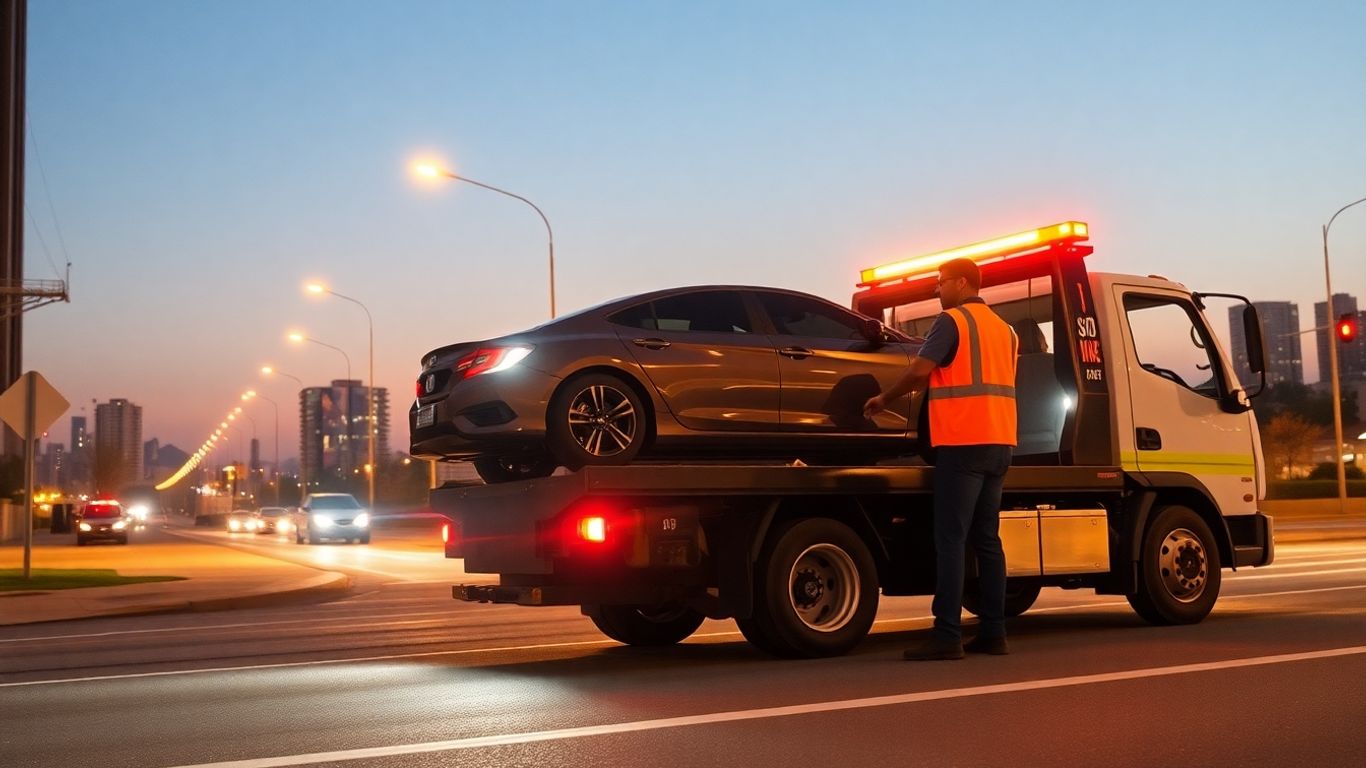
So, you’re stranded and you finally decide it’s time to pick up the phone and ask for help. I’ve been there more times than I care to admit, and I know firsthand that having a clear idea of what happens after you call makes the whole process a lot less nerve-wracking. Here’s what I usually experience, step by manageable step.
Information to Give When Requesting Help
With a towing company, the process starts on the phone. The more accurate your details are, the faster help can arrive. Here’s what I’m always ready to share:
- Exact location (street address or GPS coordinates help if you’re not sure)
- Make, model, and color of my vehicle
- Nature of the issue (flat tire, breakdown, accident, stuck in mud)
- Any immediate dangers (for instance, if I’m blocking traffic)
- My phone number and best way to reach me
If I have roadside assistance coverage or special instructions, now’s the time to mention it.
How the Towing Process Works
Once the dispatcher has my info, they’ll let me know an ETA and send out the right truck for the job. Here’s my typical timeline:
- The tow driver shows up, checks my car, and makes sure I’m safe.
- They explain the next steps, confirm my drop-off location, and might have me sign a release form.
- I’m encouraged to grab any valuables and make sure I have my keys and documents.
- Depending on what’s wrong, the tow driver uses either a flatbed or wheel-lift to secure my vehicle.
- If I’m not riding along, I double-check my contact info for updates during the trip.
Knowing what happens next always makes the wait easier. It’s not just about towing my car; it’s about making sure I’m comfortable and my vehicle is handled with care.
Preparing Your Vehicle for Towing
It’s easy to feel flustered, but a little prep goes a long way:
- Remove personal belongings—once my car is loaded, I can’t get back in until it’s dropped off
- Take photos of vehicle condition (especially after an accident)
- Secure or remove loose parts or aftermarket accessories
- Have my insurance and registration handy in case they’re needed at the drop-off
I find these steps make everything run smoother, not just for me but for the tow truck operator, too. For more details on what’s involved and tips for a stress-free experience, I found some helpful info at towing service nearby.
Being prepared and knowing what to expect makes a huge difference. The next time my car acts up and I need a tow, I know it’ll be less of a headache.
Understanding Costs When Hiring a Tow Truck Close To Me
Pricing for tow truck service always feels like one of those things you don’t think about until you’re stuck on the side of the road. I know from experience that there’s a lot more to the bill than just a flat fee for getting your car onto a truck. Whether I’m stranded downtown or on the highway outside of town, I try to break down what I might actually pay. Let’s walk through what really goes into these costs.
Factors That Affect Towing Prices
Several things play into the cost of a tow truck near me, and it’s not always as straightforward as I wish. Key factors include:
- Distance the vehicle needs to be towed (the farther, the pricier)
- The type of vehicle (a small sedan is cheaper to tow than a big truck or van)
- Time of day (after-hours or late-night calls often cost more)
- The kind of service needed (flatbed, winching, recovery, or just a standard tow)
- Extra challenges, like a car stuck in mud or a ditch, add to the price
Transparency about these details from the towing company always helps me plan ahead and avoid bill shock later.
Typical Price Ranges for Local Tows
Costs can swing depending on the scenario, but here’s a table with ballpark numbers that I’ve seen in my area:
| Service Type | Average Cost (Local – up to 5 miles) | Average Cost (Long Distance) |
|---|---|---|
| Standard Car Tow | $70 – $150 | $300 – $600+ |
| Flatbed Towing | $90 – $150+ | $350 – $850+ |
| Heavy-Duty Towing | $200 – $600+ | $600 – $1200+ |
| Specialty Recovery | $120 – $350+ | Varies Significantly |
Other charges might include:
- Mileage fees (often $2 to $7 per extra mile)
- Hook-up fees ($35 – $100)
- After-hours surcharge ($20 – $75)
- Roadside help (jump start, tire change, etc.): $30 – $100
The final price depends on the unique details of the situation, but a reputable company will always provide an honest, straightforward estimate when I ask.
Dealing With Insurance and Roadside Assistance
When my insurance covers roadside help, the process is usually smoother on my wallet. But not every plan covers towing or all types of tows. Here’s how I usually approach it:
- When I call the towing company, I ask if they can work directly with my insurer. Some will bill my provider and I don’t have to pay out of pocket.
- If I pay upfront, I always save the invoice and submit it to my insurance or roadside coverage program for possible reimbursement later.
- I make sure my coverage is up-to-date—some insurance only covers short tows, others cover longer hauls or specialty services.
I keep in mind that sometimes a tow bill can look high, but with good communication and understanding of the factors, I can avoid surprises and get my vehicle where it needs to go quickly and safely.
Red Flags and Mistakes to Avoid When Searching for a Tow Truck Close To Me
I’ve definitely learned the hard way that not all towing services are created equal. When my car broke down on the side of the road, I just needed help fast. But before I knew it, I ended up on the phone with a service that seemed more interested in my credit card than actually helping me. Since then, I always look out for these warning signs:
Unclear or Hidden Pricing Issues
One of the biggest headaches is getting hit with extra fees I didn’t expect. If a company can’t give me a basic estimate or hesitates to explain their charges upfront, that’s a sign to move on.
Here are some things I double-check:
- Ask for a written or texted quote before they arrive.
- Confirm if there are extra costs for weekends, nights, or mileage.
- Watch out for vague answers like, “We’ll discuss pricing on-site.”
Lack of Proper Credentials
I never hand over my car to someone who can’t prove they’re qualified. Licensing and insurance are non-negotiable. If the tow driver can’t show proof or avoids my questions, I immediately call someone else. My peace of mind is just not worth the risk.
What I always look for:
- Company name or logo on the truck
- Driver’s identification badge
- Up-to-date license and insurance details
Pushy or Unprofessional Behavior
It’s stressful enough being stranded without someone rushing me or trying to push extra services. I’ve seen drivers try to pressure me into signing away liability or paying for unnecessary work. If they seem aggressive, rude, or too eager to upsell, I just politely decline and end the call.
Bad behavior can show up as:
- Reluctance to answer direct questions
- Pressuring for immediate payment before any service
- Insisting on towing me to their “preferred” shop without a reason
Picking a local tow truck isn’t just a toss-up—you need to trust who you’re letting near your car. One rushed decision on a bad day can turn a simple tow into a real hassle.
Sticking to these checks has kept me out of trouble more than once. Even when I’m desperate, I never ignore the red flags.
Expert Tips for a Smooth Towing Experience Locally
When I suddenly need a tow, there’s always a quick flash of stress, even when I know help is on the way. Based on what I’ve learned and picked up from a bunch of breakdown calls, a little preparation and clear thinking can go a long way. Having a handful of practical habits makes any local towing situation less of a headache and a lot more manageable. Here are some straight-up tips I trust:
Keeping Emergency Contacts Saved
One of the best things I ever did was create a list in my phone for emergency contacts. This list isn’t just for family and friends—it includes the number of a trusted towing service, my insurance, and roadside assistance. When I have a problem, it’s as simple as scrolling and hitting call, with no frantic searching. Just last winter, my car refused to start, and since my tow company’s contact was right there, I got help a lot faster.
- Add your favorite towing company’s number to your phone.
- Keep your insurance and roadside assistance contacts handy.
- Consider creating a paper backup for your glove box, just in case.
I’ve found that having these numbers saved gives me peace of mind—when something goes wrong, I know exactly who to call.
Having Your Documents Ready
When the tow truck driver arrives, they’ll likely need to confirm some information. I keep my driver’s license, vehicle registration, and insurance card together, usually in the glove compartment or my wallet. If you have a roadside assistance membership, have that card or number ready, too. It makes everything move much faster and keeps confusion to a minimum. Here’s a quick checklist:
- Driver’s license
- Vehicle registration
- Insurance details
- Roadside assistance membership card (if you have one)
It might be tempting to toss paperwork in random spots, but keeping these items in one safe, easy-to-reach place always pays off.
Verifying Drop-Off Instructions and Contact Details
One mistake I almost made was sending my car to the wrong auto shop. It sounds unlikely, but when you’re frazzled, it’s easy to mix up addresses or leave details out. I always double-check the drop-off destination, and I ask the tow driver to repeat it back just to be sure. If I can, I request a reference number or confirmation text for the service call.
Here’s what I confirm before the tow truck pulls away:
- Clear address of my chosen repair shop or destination
- Specific bay or contact person (if needed)
- Tow driver’s contact info or service reference number
It’s all about raising the chance that my car ends up exactly where it should—no extra headaches, no mystery calls later.
If you want even more pointers on making towing stress-free, I’ve found some straightforward advice in this detailed guide for finding reliable towing services. Preparing the basics before help arrives really does change the game, from the first phone call until your car is safely dropped off.
Want your local towing experience to go as smoothly as possible? Check out our expert tips to keep your trip easy and stress-free. From planning your route to making sure your vehicle is ready, we have everything you need to know. Visit our website now and see how we can help you enjoy a worry-free tow today!
Wrapping Up: My Final Thoughts on Finding a Tow Truck Close to Me
After putting this guide together, I realized just how much goes into finding a good tow truck nearby. It’s not just about typing a phrase into your phone and hoping for the best. I’ve learned that checking reviews, asking about prices up front, and making sure the company is legit can save a lot of trouble down the line. I know how stressful it feels to be stuck on the side of the road, so having a plan and knowing what to expect really helps. If you keep some key info handy—like your location, car details, and where you want to go—it makes the whole process smoother. I hope my experience and these tips make things a little less overwhelming if you ever find yourself needing a tow. Stay safe out there, and don’t forget to save the number of a reliable towing service in your phone—just in case.
Frequently Asked Questions
How do I find a reliable tow truck close to me?
When I need a tow, I start by searching for local companies with good reviews online. I also check if they have experience with my type of vehicle, whether it’s a car, truck, or something bigger. I always make sure they’re available at the time I need help, especially if it’s late or on a weekend.
What information should I give when I call for a tow truck?
When I call a towing company, I make sure to tell them my exact location, like the street name and any nearby landmarks. I also give them my car’s make, model, and color. If I know what’s wrong, I explain the problem, and I let them know where I want my car to go, like a repair shop or my house.
What types of tow trucks can I request nearby?
I’ve learned that there are different kinds of tow trucks. Flatbed trucks are good for most cars and keep them safe during the ride. Wheel-lift trucks work well for short trips or small cars. For bigger vehicles, like trucks or buses, I ask for a heavy-duty tow truck. If my car is stuck in mud or a ditch, I might need a winch-out service.
How much does it usually cost to hire a local tow truck?
The price for towing can change depending on how far my car needs to go and what kind of truck I need. Local tows are usually cheaper, sometimes starting around $50 to $125 for a short distance. If I need a flatbed or heavy-duty tow, it might cost more. I always ask for a price before saying yes to the service.
Will my insurance or roadside assistance cover the towing cost?
A lot of the time, my car insurance or roadside help plan will pay for some or all of the towing bill. I check my policy to see what’s included, and if I have a membership like AAA, I give them my info when I call for help.
What should I do to get my car ready for towing?
Before the tow truck comes, I take out my important stuff from the car, like my wallet or phone. I keep my driver’s license, registration, and insurance card handy. If I can, I make sure the car is easy to reach and not blocking traffic. This helps the tow go faster and keeps everyone safe.